
The lighter Tokyo-style ramen has a terrific burst of bonito to round out the flavors without an overly rich tonkotsu broth. This Northern California transplant serves spectacular tonkotsu ramen with a deeply flavored broth and a fully customizable bowl where diners can choose from different noodles, tare, and toppings. The waits are at least 20 minutes and upwards of an hour during prime meal hours.
Welcome to Daikokuya Little Tokyo

Starting May 29, the changes will roll out at that restaurant as well as in Culver City and her Pasadena brewpub. Plus an Roman chef veteran in a Hollywood apartment, chocolate Cuba Libres, Uzbeki plov with lazer rice, and cochinita melts in a Silver Lake yard. Here are the best things to eat around Los Angeles (and San Juan Capistrano!) this weekend. Maybe it doesn’t matter, especially at West LA’s Mogumogu which specializes in well-sauced, fully-loaded mazemen with toppings like chashu and poached eggs.
Latest Food
From May through July 2022, guests were able to pair their visit to the exhibition with a trip to our fifth-floor restaurant space to experience the “residencies” of world-class ramen artisans.Scroll down for details. Whether you’re already a plant-forward person or contemplating a change in diet, here are 30 restaurants to check out. This week Sage’s team has been fielding questions about these practices, as well as its thousands of social media comments. TACO, you receive a variety of quick and cost-effective benefits for far less than what we price our traditional advertisements and social media mentions at.
newsletter
Following a vegan diet, the chef-owner said, is no longer enough to combat climate change, so the new iteration of Sage will focus on sourcing and proselytizing regenerative farming practices. That, along with years of post-pandemic financial losses, moved Engelhart to introduce beef, bison, cheese and eggs from regenerative farms into her Echo Park, Culver City and Pasadena restaurants. Vegetarians and vegans often get left out of the ramen conversation, but that doesn’t need to be the case.
That topic first caught her attention more than a decade ago via a TED Talk by author and agricultural consultant Graeme Sait, which touched on soil degradation and studies linking it to climate change. It sent her on a years-long mission to dive into regenerative agriculture, a term with no one-size-fits-all definition that could apply to a number of farming practices. It often encapsulates closed-loop soil and feeding systems that offset and capture carbon, usually relying on a number of animals, natural fertilization and other factors to improve the land. Fried eggs and carne asada can be added to existing menu items. Additionally, a new initiative to remove seed oils from the restaurants will mean a switch to nut-based vegan cheeses.
Avian flu outbreak raises a disturbing question: Is our food system built on poop?
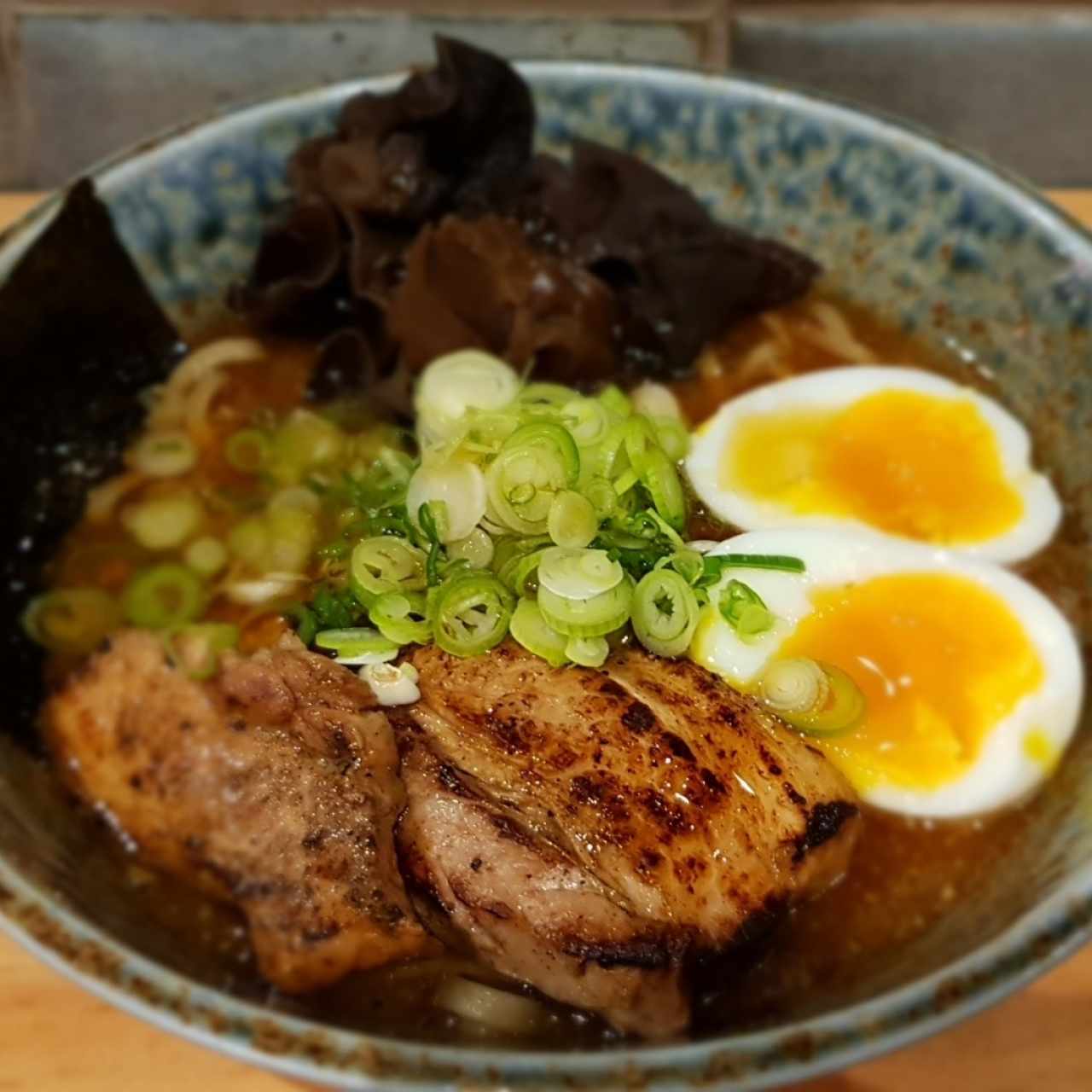
In 2018 she and her husband bought a family farm and started fighting food waste, transporting the compostable byproduct from her restaurants to their farm and placing it back into the soil. After selling their family farm in California, they moved to Texas and built Sovereignty Ranch, which also hosts workshops for practices such as homesteading and dome building. Restaurants have opted to include meat and dairy on menus in recent years, including Hot Tongue and Burgerlords, citing financial viability. If you want a classic, hearty bowl of ramen and don’t mind waiting, Daikokuya is a staple in Little Tokyo. Daikokuya’s tonkotsu ramen is probably what you’d imagine if you were asked to think of a bowl of ramen. The slightly curly egg noodles paired with a thick tonkatsu soup base and tender chashu are the epitome of comfort food.
If you’re downtown, Ramen Hood inside Grand Central Market is an excellent option for vegans and non-vegans alike. The least traditional bowl on the list, Ramen Hood’s broth is made by simmering shiitake mushrooms, kelp, white miso, and roasted sunflower seeds. Their chewy, slightly curly noodles were perfectly-cooked and satisfying to eat, but the real star ingredient was their treatment of oyster mushrooms. I’m not sure how they’re able to pack so much umami flavor into a king oyster mushroom, but they’re savory, complex, and deliciously meaty.
Sponge's Vinnie Dombroski celebrates Edo Ramen House's sixth anniversary with acoustic set - Detroit Metro Times
Sponge's Vinnie Dombroski celebrates Edo Ramen House's sixth anniversary with acoustic set.
Posted: Mon, 19 Feb 2024 08:00:00 GMT [source]
Daikokuya Little Tokyo
The collaboration between chefs Hiroyuki Masato, Andy Juliady, Sebastian Karyadi, and Jeffry Undiarto (the former manager of two-Michelin-starred n/naka) offers modern updates on familiar classics. If you’re craving something on the lighter side, Iki’s yuzu shio is bright and refreshing. Their soup base is flavored with house-made dashi and chicken broth. It has pork belly, menma (lacto-fermented bamboo shoots), nori, green onions, and a soft-boiled seasoned egg. Daikokuya Main Branch, born in LA's Little Tokyo in 2002, quickly became the city's top ramen hotspot. Under Takaaki's skillful management, the eatery overcame early financial struggles without resorting to renovations.
7 Places to Get the Most Delicious Ramen in Westchester - Westchester Magazine
7 Places to Get the Most Delicious Ramen in Westchester.
Posted: Thu, 02 Nov 2023 07:00:00 GMT [source]
Instead, he leveraged the 100-year-old building's unique ambiance to offer a nostalgic ramen experience. Despite the initial American perception of ramen as a cheap cup noodle, Takaaki's relentless work - including a year of barely sleeping, living in the restaurant, serving customers until 4am - slowly changed this view. Aided by positive social media reviews, the restaurant's fame skyrocketed. Yet, for Takaaki, the journey isn't over as he continues to refine Daikokuya's taste.
Everyone orders the smoked dashi with whole clams or the tonkatsu broth. According to the World Resources Institute, beef requires 20 times more land and emits 20 times more greenhouse gas per gram of edible protein than beans and most other plant-based proteins. In celebration of our exhibition “The Art of the Ramen Bowl”, JAPAN HOUSE Los Angeles presented a delicious pop-up series that showcased the diverse flavors of Japanese ramen.
Previously, she served as the restaurants and bars editor for Time Out Los Angeles, and prior to that, the award-winning food editor of Richmond magazine in Richmond, Va. To be the finest food city in the country and might be biased on that count but doesn’t believe she’s wrong. Originally from Tokyo, Tonchin LA takes over a prime Melrose Avenue location with sleek vibes, a cocktail bar, and upscale ramen bowls.
This Michelin-recommended ramen shop has a slightly more upscale and polished feel than competing shops, with some bowls reaching and surpassing $30. The results are terrific for those willing to shell out a few extra bucks, especially the signature shina soba ramen with an intense broth, wontons, and chashu. For a more creative combination, try the whole lamb chops swimming in spicy red soup. “I saw them calling me a murderer like my father because my father has a small dairy farm in Idaho,” Engelhart said.
This versatile ramen shop tucked in a sleepy Koreatown strip mall prepares everything from a classic shoyu to a Tokyo-style yuzu shio and wagyu beef ramen. In addition to the extensive ramen menu, there’s a wide selection of izakaya fare including sushi rolls, fried shishito peppers, and more. This all-ramen restaurant features a signature bowl with thick noodles and a dense broth that’s chock-full of garlic and pork back fat. The tsukemen’s broth is tinged with a vinegary kick and served with flat noodles that work well for dipping and slurping. Slow-cooked Tonkotsu (pork) broth, finished with black garlic oil and Gochujang miso paste. Thin noodles topped with ground beef, kikurage mushrooms, sesame and scallions.
This focused ramen shop in Torrance serves polished bowls with a garlicky broth. Chashu pork melts in one’s mouth, while the noodles are of the thin, wheat variety common at Hakata-style shops. The chef-owner considers herself vegetarian while at home, opting to make her own yogurt, sour cream and kefir from her cows’ milk, but she is vegan when dining out as ingredient provenance and farming practices are less clear. Tokyo’s famous Afuri opened in LA after first expanding to Oregon. Sporting a yuzu-tinted seafood and chicken broth, this lighter style of ramen still packs plenty of flavor with soba-like noodles made on the premises and high-quality toppings. The cocktails and minimalist ambience makes the whole affair a pleasant experience.
With a composed, well-balanced broth that's not too rich, and sporting firm, high-quality noodles, it's a very good Tsujita competitor for Hakata-style tonkotsu. For something a little less heavy, opt for the chuka soba, a Tokyo-style bowl with a lighter broth. Slow-cooked Tonkotsu (pork) broth, spiked with our secret umami RED sauce. Much has been said and written about Tsujita, a ramen shop that originated in Tokyo and spawned several popular locations across Los Angeles and it's usually love at first slurp. Tsukemen is a dipping-style noodle invented in 1961 by Kazuo Yamagishi.
Her father, Matthew Engelhart, is a co-owner of vegan restaurants Gracias Madre and Cafe Gratitude. The ranch’s supply chain is still in planning phases with the exception of its corn, used for masa, which will make its way into Sage’s tortillas. Origin Milk, based in Ohio, will produce some of Sage’s dairy products, including cheese.


No comments:
Post a Comment